

Veteran Athlete Wants Football Anniversary Celebrated

Prolific Sports Author Endorses Celebration of Gossage Cup Centenary
March 28, 2026
Veteran Athlete Wants to Celebrate Kenyan Football’s History
May 1, 2026Veteran Athlete Wants Football Anniversary Celebrated
By Satish Sekar © Satish Sekar (April 30th 2026)
A Storied History
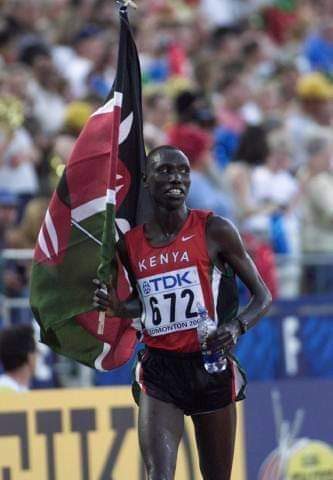
The Organizing Secretary of the Kenyan Veteran Athletes Association (VAA), Simon Biwott, accepts that Kenyan sport is renowned for athletics rather than football. During a famous defeat to the African champions, Ghana, in 1965, then President of the recently independent Kenya, Mzee Jomo Kenyatta, bemoaned the fact that Kenya could not bring star athlete Kipchoge Keino onto the pitch – they needed him.
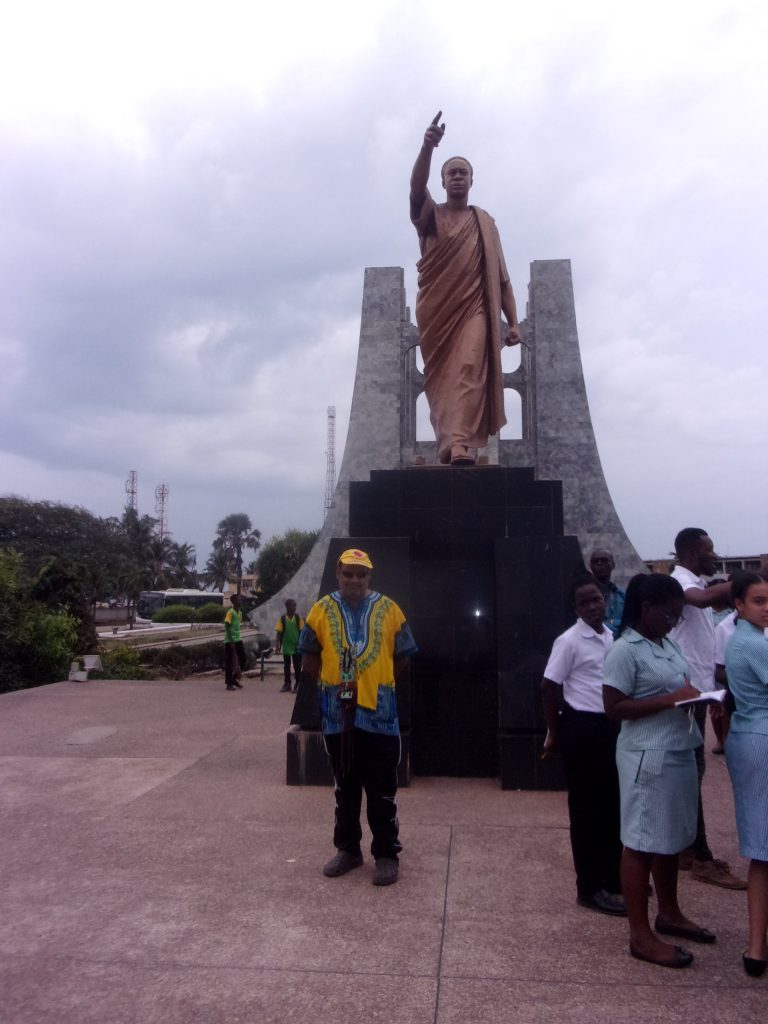
A few days later a return match ended in an implausible 3-3 draw – the late great Charles Kumi Gyamfi explained the extraordinary change in fortune, saying that Osagyefo, Dr Kwame Nkrumah, who had organised the tour was furious – “I told you to go there to make friends with them, not dismantle Kenyan football!” Gyamfi recalled Nkrumah fuming at him. They were ordered to play them again, but to give the Kenyans a chance. Former African Player of the Year and Ghanaian great Alhaji Ibrahim Sunday verified Gyamfi’s account.

It was the second worst defeat Kenya’s men’s team had ever suffered – the worst was three decades earlier, and remains the worst drubbing Kenya ever received. They lost 13-1 to Uganda in the Gossage Cup in 1931 – it remains the worst mauling in the tournament’s history. By the time the African champion, African team of the 1960s visited te land of the Masai Mara and Rift Valley, there had been a sporting overhaul. Kenya had become renowned for its athletes.
Sporting Renown
“It’s a fair comment; Kenya is known in athletics more than football,” Biwott said. Over the years Kenyan athletes have dominated the world stage, especially the 3000 metres Steeplehase. Their middle and long distance athletes were formidable, starting mainly in the 1960s, although the signs were there in the 1950s too.
But Kenya’s sporting prowess began earlier and Biwott was not aware of it until last year – the Gossage Cup.
“I now know the significance [of the Gossage Cup Centenary] and I can also see the significance of having it in May,” Biwott said. “The significant point [of May 1st and May 3rd 2026] is that Kenyans must get to know that football has been in Kenya for quite some time.”
The Forgotten History
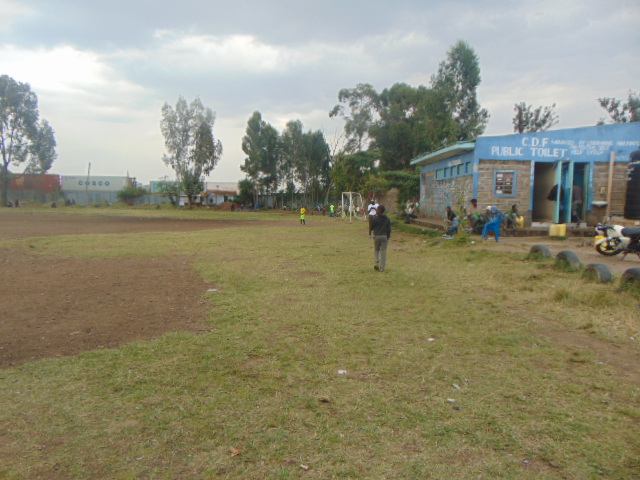
In February 1957 the newly founded Confédération Africaine de Football (CAF) held its inaugural Africa Cup of Nations in Khartoum. But it was far from the first international tournament in African history – that honour belongs to East Africa. On May 1st 1926 Kenya and Uganda drew 1-1 at Nairobi’s Landi Mawe Grounds, necessitating a replay on May 3rd, which Kenya won 2-1.
The Gossage Cup lasted until 1966 – it was briefly replaced by the East and Central African Senior Challenge Cup, which lasted until 1971. That was replaced by the CECAFA Cup which is due a tournament, especially this year – it is the regional tournament for Central African and East African countries, and is remembered as the oldest regional international football tournament in African history.
Biwott is among several sporting icons who want to see the legacy of this tournament celebrated in East Africa before the Africa Cup of Nations comes to the region in 2027.

