The Second Betrayal (Part Six)

The Second Betrayal (Part Five)
August 16, 2026The Second Betrayal (Part Six)
By Satish Sekar © Satish Sekar (August 17th 2026)
The Football Truce
While Zamalek was seen as the team of the establishment and Europeans, Al-Ahly was the team of anti-colonialists and even revolutionaries. The exile of Saad Zaghoul, failed to destroy the anti-colonial movement. He returned and took up the position of Honorary President of Al-Ahly at a crucial time in Egypt’s history. It was one of, if not the first time in African sports history where football offered facilities to the anti-colonial struggle. Al-Ahly has not received the credit that it deserves for its role in Africa’s anti-colonial struggles. Whether it gets enough credit or not, Al-Ahly inspired the use of football in the liberation struggles of Ghana, Zambia, South Africa, Namibia and especially Algeria.
Abdel Khalek Sarwat Pasha was Egypt’s Prime Miniter from January until mid-March 1928. He failed to deliver the expectations of the revolutionised Egyptian population. He was replaced a more militant Prime Minister – a member of the Wafd Party, Mustafa el-Nahas Pasha. He was removed from power in late-June 1928. There was political unrest in Egypt during his tenure, as the Egyptian establishment, led by King Fuad and the European colonialists, were determined to maintain their privileges.
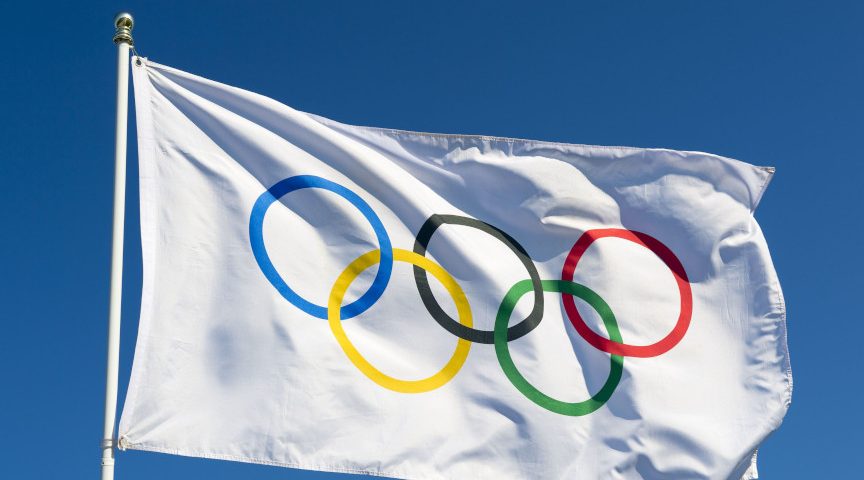
El-Nahas refused to compromise over Egyptian sovereignty, and made it clear that he would not make concessions to European power and privilege. Meanwhile, Egypt’s greatest achievement on the football pitch at that time took place in Amsterdam. The Olympic Games Football Tournament began in Amsterdam on May 27th 1928. Egypt navigated the First Round with a 7-1 thrashing of Turkey – El-Tetsh scored a hat-trick, Zamalek’s Ali El-Hassani and Riadh one, while Sayed Houda and Mohamed Gamil El-Zobair[1] scored the others. It is worth noting that the United States of America was demolished 11-2 by Argentina – they would go on to benefit from the absences from Uruguay’s World Cup of 1930. The other beneficiary was the Kingdom of Serbs, Croats and Slovenes (Yugoslavia). They were also defeated in the first round in Amsterdam, beaten by a more respectable scoreline of 1-2 by Portugal.
On June 4th Egypt beat Portugal by the same score with goals scored by Al-Ahly’s Mahmood Mokhtar El-Tetsh and Zamalek’s Ali Mohamed Riadh scoring for Egypt and Benfica great Vítor Marcolino da Silva scoring for Portugal – this is important as Yugoslavia was the other beaten semi-finalist at the first FIFA World Cup. It was claimed that Egypt literally missed the boat to Uruguay, and Italy among others, refused to go, making the quality of the 1928 Olympic Games Football Tournament far superior to that of the first FIFA World Cup, which had 17 teams compared to the 13 that the latter managed.
Two days later Argentina beat Egypt 6-0 and the day after Italy was beaten by Uruguay 3-2. Italy thrashed Egypt 11-3 for the bronze medal on June 9th – Angelo Schiavio, Elvio Banchero and Mario Magnozzi scored hat-tricks for Italy while Adolfo Baloncieri scored a brace. Meanwhile, Riadh also scored a brace and Moussa El-Ezam scored the other for Egypt who missed out on a medal. Uruguay won the final, beating Argentina. But Egypt had arrived on world football’s stage.
On June 27th 1928 Mustafa el-Nahas Pasha was removed from power by King Fuad and the British. He was replaced by Muhammad Mahmoud Pasha.
[1] El-Zobair played for Al-Ahly from 1924 until e moved across Cairo to join their bitter rivals Zamalek.